Learning History by Walking Through It: How Principal Oliphant’s Journey to Poland is Inspiring a More Immersive Education at Passport Academy
“As the Nobel laureate Elie Wiesel warned years ago, to forget a holocaust is to kill twice.” - Iris Chang
August 18, 2026
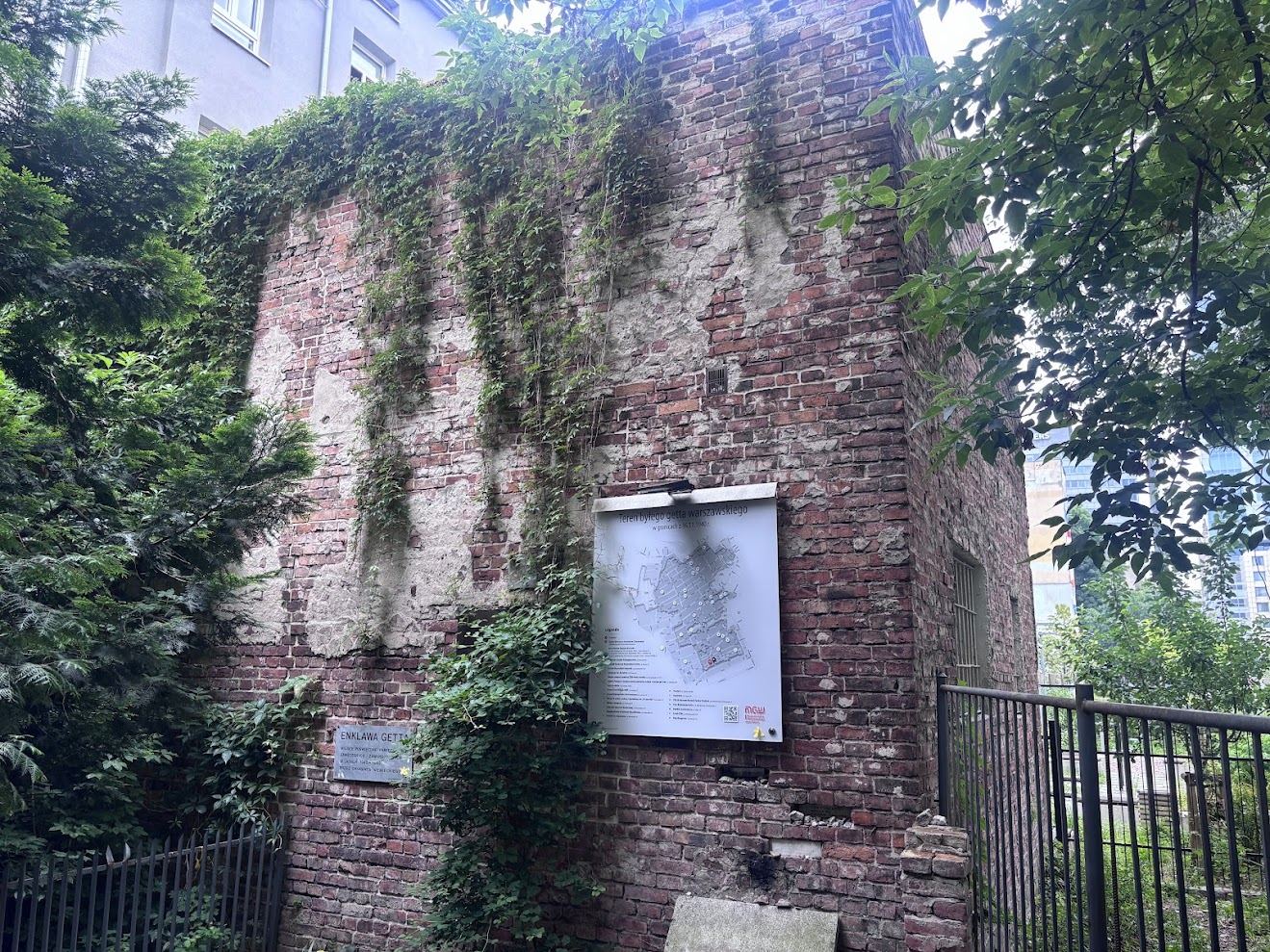
For many people, learning about the Holocaust begins and ends in the pages of a history book. Students read dates, study photographs and memorize the events that shaped one of history's darkest chapters. But Passport Academy Principal Joe Oliphant has always understood that history is tangible.
Earlier this summer, Oliphant traveled to Poland through Classrooms Without Borders, an educational program that, in part, brings educators to Holocaust sites and historical landmarks to deepen their understanding of history while exploring new ways to bring those lessons back to the classroom.
The experience wasn't his first with the organization. Nearly a decade ago, he participated in a similar trip that transformed the way he viewed teaching and leadership. This year's journey reaffirmed something he has believed ever since: some of the most meaningful learning happens when students can experience history rather than simply read about it.
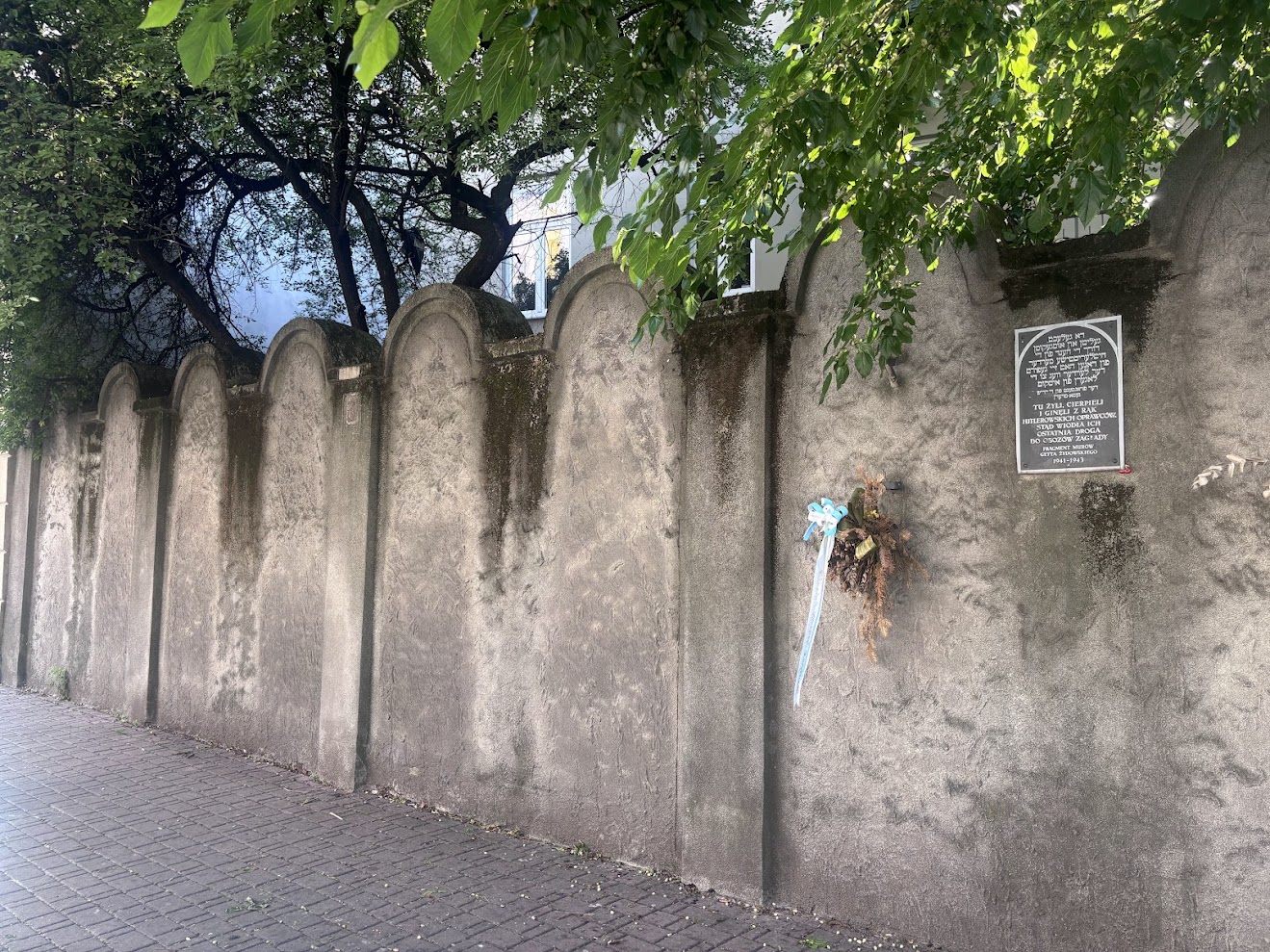
"I think that initial trip years ago really pushed me toward immersive learning," Oliphant said. "Getting students out into the world, giving them hands-on experiences instead of only learning inside the classroom—that's where real learning happens."
That philosophy has become a cornerstone of how he approaches education at Passport Academy.
A Place Where History Feels Real
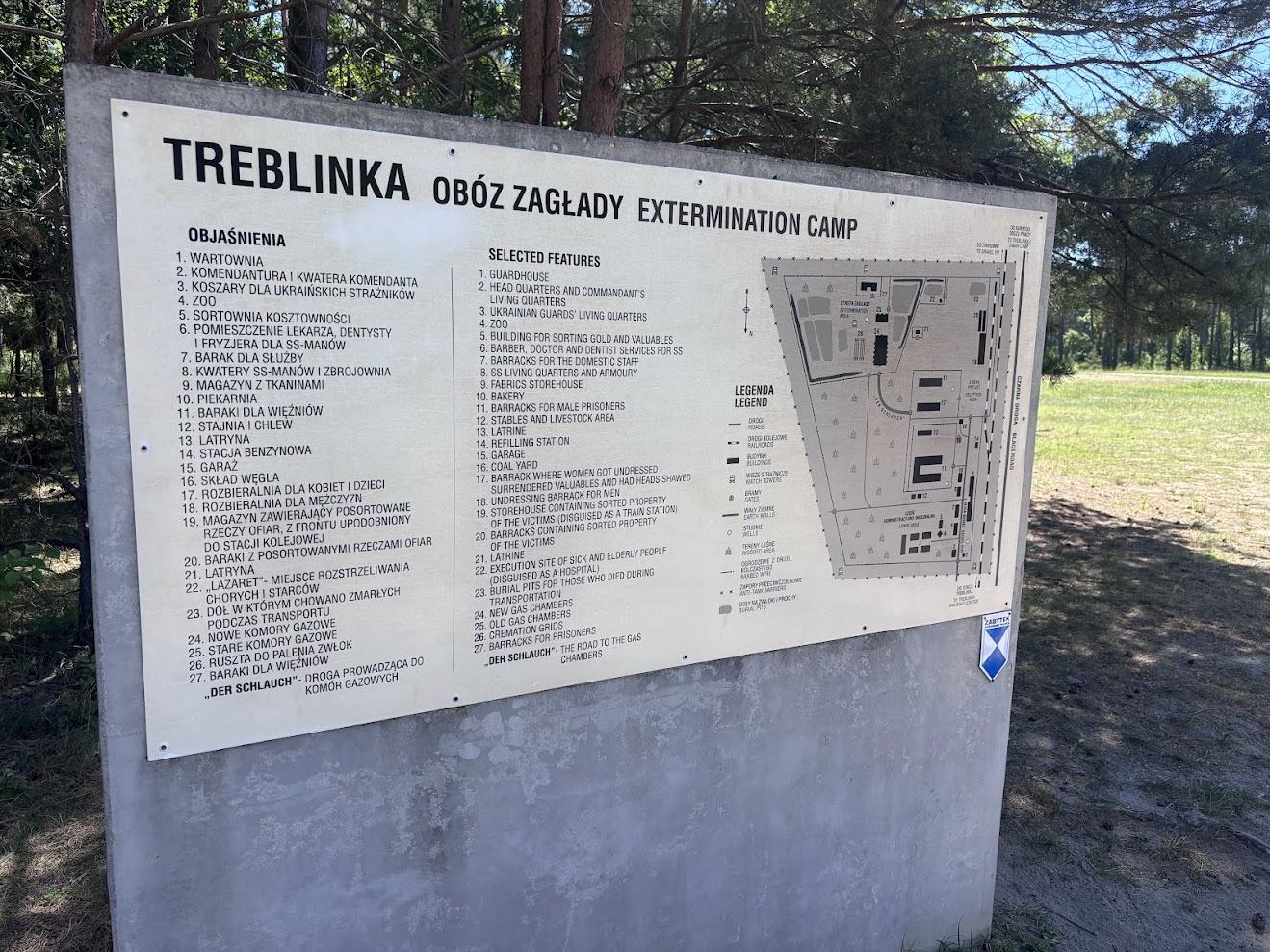
Throughout the trip, participants visited several significant Holocaust sites across Poland, including Treblinka, one of Nazi Germany's extermination camps.
Standing in the quiet memorial where hundreds of thousands of people were killed left an impression that no textbook ever could.
"There was just this overwhelming sense of calm," Oliphant recalled. "You're standing in the middle of this field, knowing what happened there. It was incredibly reflective - not just as an educator, but as a parent and as a human being."
While photographs and documentaries help tell the story of the Holocaust, physically standing where those events unfolded created an entirely different understanding.
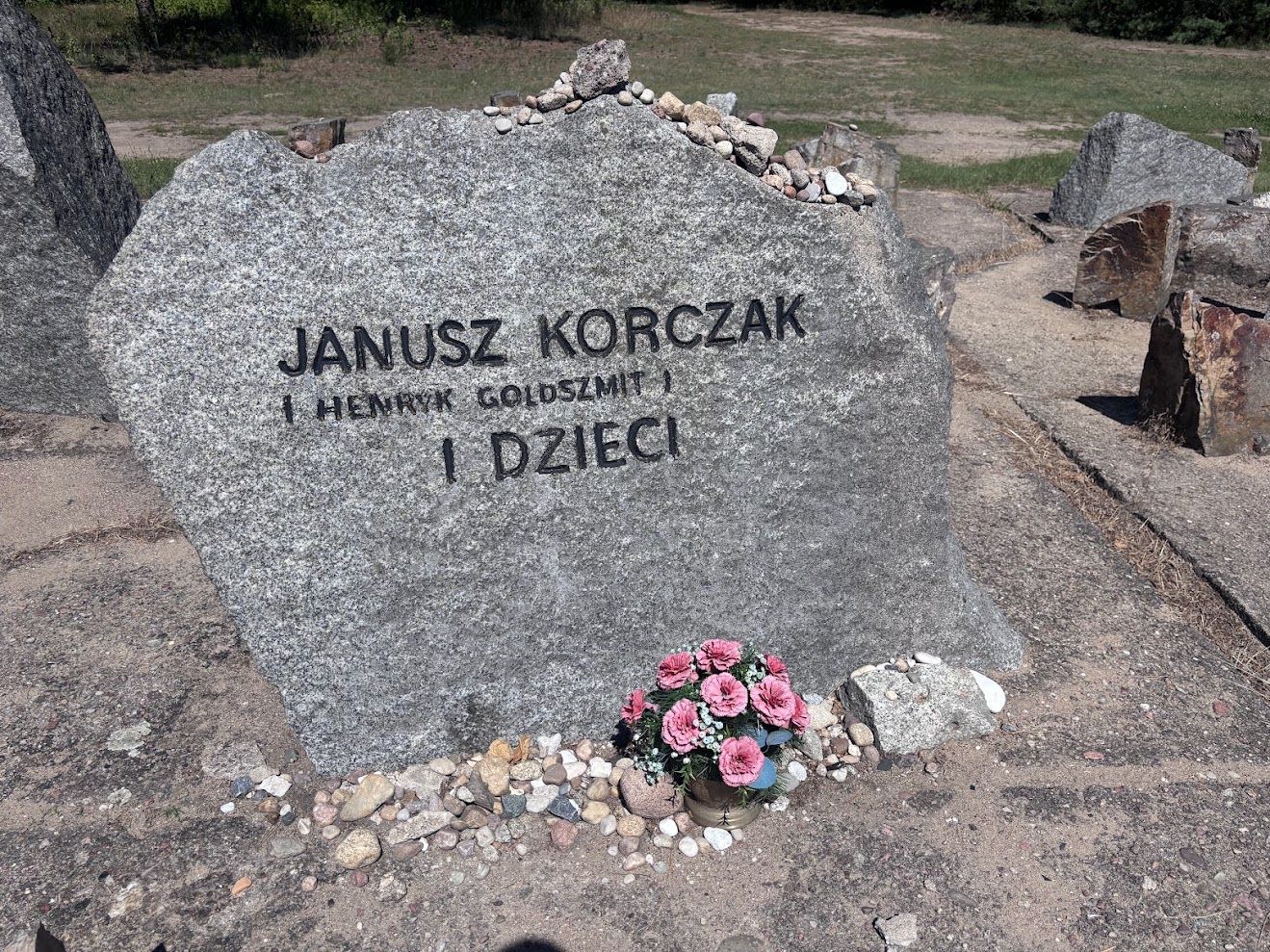
"You read about it in books and you see pictures," he said. "But then you come home and watch videos of those same train tracks, those same camps, and realize, 'We were standing right there.' It brings everything into a completely different dimension."
That immersive experience reinforced an important lesson Oliphant hopes students can experience in their own education: history isn't simply something that happened long ago. It happened to real people, in real places, many within the lifetimes of many of our grandparents.
"It's not hundreds and hundreds of years ago," he said. "We're only a few generations removed."
Why Holocaust Education Still Matters
As each generation grows further removed from World War II, Oliphant believes continuing to teach the Holocaust remains more important than ever.
One phrase followed participants throughout the program: Never Again.
For Oliphant, those two words carry a kind of responsibility.
"When you hear 'Never Again,' you hope it means these things will never happen again," he said. "But history has a way of repeating itself in different forms."
Rather than focusing only on historical events, he believes Holocaust education helps students recognize the importance of standing up for others, challenging hatred and choosing kindness in their everyday lives.
"Every opportunity you have to encourage someone, inspire someone or simply be kind matters," he said.
According to Oliphant, Holocaust education isn't only about understanding the past. It's about preparing students to become compassionate, thoughtful citizens who recognize the humanity in every person they encounter.
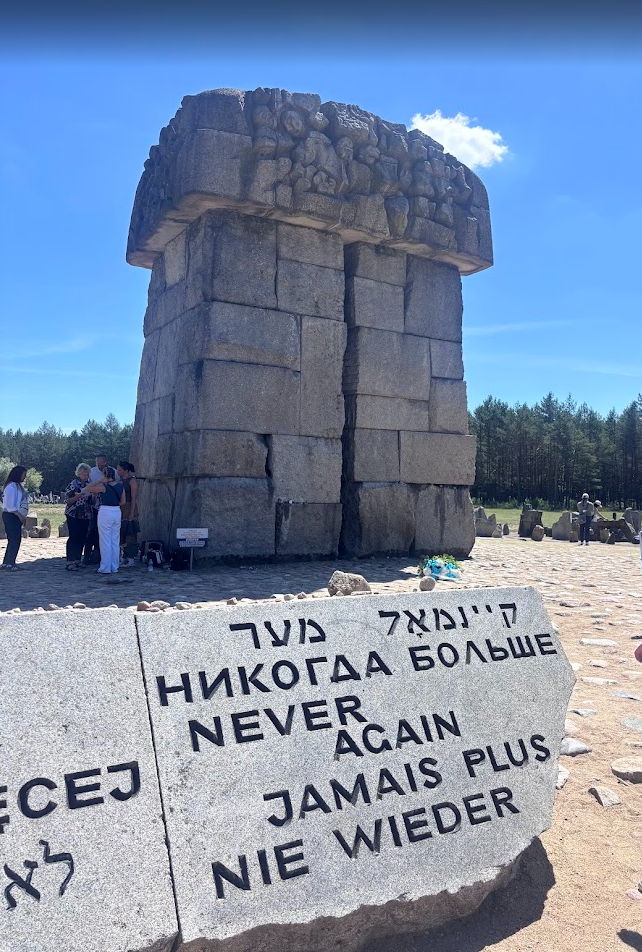.png "The Treblinka memorial is a memorial complex located at the site of the former German Nazi Treblinka extermination camp, dedicated to approximately 800,000 Jews from Poland and other European countries killed there between 1942 and 1943.")
More Than History
"The trip wasn't only about learning about the atrocities," Oliphant explained. "It was also about hearing the stories of people who survived, who showed incredible resilience and who continued telling their stories."
Those stories, he believes, have the power to change students.
Whether hearing from Holocaust survivors, community leaders, Passport Academy alumni or classmates overcoming personal challenges, storytelling helps young people understand perspectives different from their own.
"I think it's important for students to hear people's stories," Oliphant said. "Sometimes teenagers get caught up in their own world. But when they hear someone talk about overcoming challenges or changing the direction of their life, that sticks with them."
That emphasis on storytelling is already part of Passport Academy's culture, where graduates regularly return to share their experiences with current students.
Oliphant hopes to continue creating more opportunities for those conversations because they remind students that resilience isn't just something found in history books—it's something people demonstrate every day.
Bringing Immersive Learning Home
While the Poland experience centered on Holocaust education, Oliphant says one of his biggest takeaways extends far beyond a single subject.
He wants Passport Academy students to experience more learning outside the classroom.
Instead of limiting history to textbooks, he hopes teachers continue finding opportunities for students to visit places that bring lessons to life.
"There is so much history right here in Pittsburgh," he said. "Places students drive past every day without realizing their significance."
He points to landmarks like Freedom Corner in the Hill District as examples of local history that deserve to become part of students' educational journeys.
"It doesn't have to be the Holocaust," he explained. "It's about asking, 'How do we make learning more immersive?' How do we create experiences where students say years later, 'I remember being there. I remember learning that.'"
Education That Builds Empathy
Ultimately, Oliphant believes Holocaust education teaches something larger than history.
It teaches humanity.
"When people think about the Holocaust, they often think about specific groups of people," he said. "But what it really comes down to is people."
Every student, teacher and community member carries experiences that shape who they are.
Understanding those experiences helps build empathy, compassion and respect - qualities the Passport Academy principal believes are just as important as any academic lesson.
"We're dealing with people every single day," he said. "Students have challenges. Teachers work incredibly hard. Everyone has a story."
Helping students recognize those stories, and respond with kindness, may be one of education's most important responsibilities.
Looking Ahead
As Oliphant reflects on his time in Poland, he doesn't see the journey as something that ended when he boarded the plane home.
Instead, it's another step in an ongoing commitment to creating meaningful learning experiences for Passport Academy students.
Whether through local field experiences, project-based learning, guest speakers or opportunities to engage directly with history, his goal remains the same: helping students become curious learners, critical thinkers and compassionate people.
"Learning something new is important," Oliphant said. "But just as important is realizing that everyone faces different challenges. It's about learning how to be empathetic, how to be kind and how to be a good person."
Those lessons may not appear on every test.
But they are the ones students often remember for the rest of their lives.